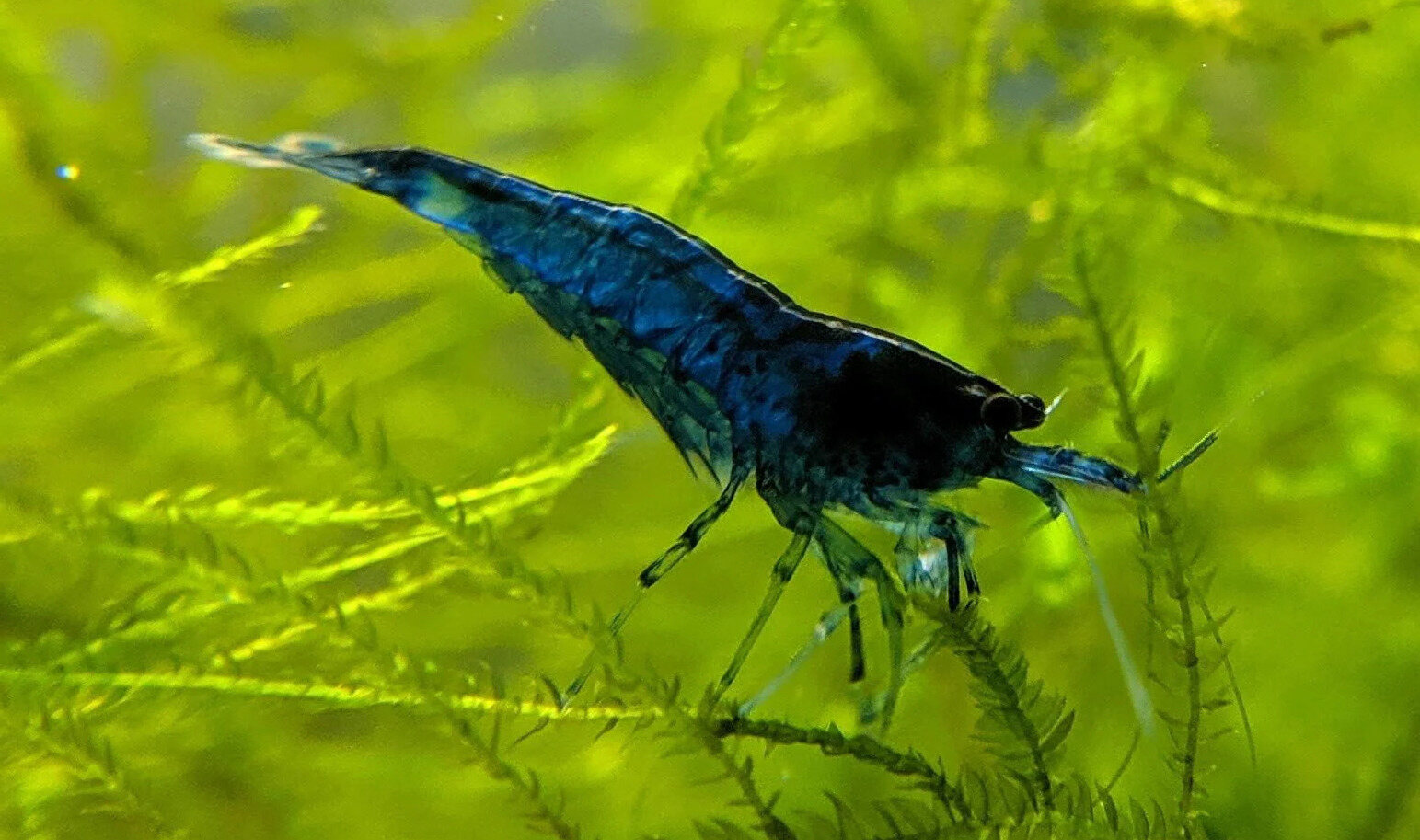
Garnalen aquariums offer a captivating miniature world of color, movement, and delicate biology. At mrshrimp.nl we champion reliability, practicality and inspiration for shrimp keepers. In this complete guide you will learn how to plan, build and maintain a thriving garnalen aquarium whether you are aiming for a gentle biotope setup or a lively colony of colorful shrimp. From substrate choices to water chemistry and from drip acclimation to breeding, this article covers everything you need to know to get started with confidence.
Planning your Garnalen Aquarium
Starting strong is the key to shrimp success. A well thought out plan saves time, reduces stress on the shrimp and helps you enjoy the process more.
Define your biotope and goals
- Decide on the style: a natural biotope that mirrors a wild habitat or a vibrant, planted aquascape with emphasis on color contrast.
- Choose shrimp types: Neocaridina varieties for beginners with a wider water range, Caridina species for a more sensitive and refined setup.
- Plan for future growth: think about how many shrimp you want in 6 to 12 months and whether you expect hobbyists to observe molts, color changes, or breeding.
Tank size and layout
- Beginners often start with a 20 to 40 liter tank. This size offers a balance between manageable maintenance and enough space for a small colony.
- Bigger is easier for water stability, gives more hiding places, and allows more diverse plant life.
- Layout tips: create zones with gentle movement in the open water while leaving plenty of microhabitats behind driftwood and densely planted areas. Shrimp love to graze along the biofilm on wood, plant surfaces and substrate.
Budget and timeline
- Initial investment: tank, lid, sponge filter or gentle filter, heater if required, substrate, plants, some driftwood, testing kit and dechlorinator.
- Ongoing costs: food, minerals, water conditioner, replacement filter media, occasional medications if needed.
- Timeline: allow 2 to 6 weeks before introducing shrimp. This gives you time to condition the tank, establish a stable baseline and perform test runs with byproducts.
Equipment essentials
Choosing reliable gear that matches the needs of shrimp is crucial. Shrimp prefer calm water, gentle filtration and stable parameters.
Tank and stand
- Opt for a tank with a good silicone seal and a lid to reduce evaporation and prevent jumpers.
- A stand should be sturdy and level. Shrimp are small and non destructive, but a stable base helps with long term reliability.
Substrate options
- Caridina friendly substrates: think soft, low KH/GH substrates that promote stable low pH. Some hobbyists use mineral enriched media to achieve stable softness.
- Neocaridina friendly substrates: more forgiving substrates that allow a wider pH and hardness range.
- Inert substrates like fine gravel can be used if you supplement with micro minerals and ensure proper biofilm growth.
- Avoid substrates that aggressively raise KH or pH, unless you specifically target a higher pH for certain species.
Filtration and water movement
- Gentle filtration is important. Shrimp are sensitive to strong currents and may suffer from stress with high flow.
- Sponge filters are popular for shrimp tanks because they protect small shrimp and provide a biofilm rich surface for beneficial bacteria.
- If you use a hang on back or canister filter, make sure intake is screened and water movement is mild at shrimp level.
Heating and thermostats
- Most Neocaridina shrimp tolerate a wide range around 22 to 26 C. Caridina often prefer a cooler, more stable environment around 23 to 25 C, depending on the species.
- If your room temperature fluctuates, use a reliable heater with a precise thermostat and a heater guard to prevent peaking temperatures.
Lighting and plants
- Use moderate lighting to promote healthy plant growth without promoting excessive algal blooms.
- Plants provide grazing surfaces and biofilm, adding diversity to the shrimp diet and hiding places for shy individuals.
- Good plant choices include Java moss, Anubias, crypts, and fine leaved foreground plants that shrimp can crawl through.
Water testing and conditioners
- A basic test kit for ammonia, nitrite, nitrate, pH, and possibly GH and KH is essential.
- Use a high quality dechlorinator to remove chlorine and chloramine from tap water.
- Copper and some medications can be toxic to shrimp. Always check the label before adding any product.
Substrate and water chemistry
Understanding substrate interactions and water chemistry helps you keep shrimp healthy and breeding.
Substrate for Caridina versus Neocaridina
- Caridina shrimpulfers often require soft water with low KH and GH. A substrate that buffers to low alkalinity helps maintain a stable, gentle pH.
- Neocaridina typically tolerate a wider range of pH and hardness. You can use slightly heavier substrates if you aim for richer plant growth, but monitor how changes affect your shrimp.
Mineral supplementation
- Some hobbyists add remineralization mixes to achieve targeted KH and GH. This helps stabilize water chemistry, especially for Caridina.
- When using remineralizers, add small amounts and test water frequently to avoid abrupt changes.
Target water parameters
- Caridina targets (example ranges): pH 6.0 to 7.2, KH 0 to 2, GH 3 to 6 dKH/dGH depending on the exact species.
- Neocaridina targets (example ranges): pH 6.5 to 7.5, KH 3 to 6, GH 6 to 8 or higher depending on species and breeder recommendations.
- Always research your specific shrimp species and color morph because some lineages thrive at slightly different ranges.
Water quality and cycling
A stable tank is the foundation for healthy shrimp.
Establishing the nitrogen cycle
- When you start a new tank, beneficial bacteria need a few weeks to mature. Avoid adding shrimp during this period.
- You can accelerate by using established media from another tank, or give the tank time and test frequently.
Ammonia and nitrite management
- In the early stages ammonia and nitrite levels should be zero. Any detectable level means you need to slow down or pause stocking until the bacteria catch up.
- Perform partial water changes if you see spikes. Use a dedicated dechlorinator that neutralizes ammonia as well.
Nitrate management
- Nitrate should be kept low for shrimp, ideally under 20 ppm. Regular partial water changes help maintain low nitrates while supporting plant growth.
Choosing shrimp and stocking
The health and happiness of a shrimp community starts with the right selection and stocking plan.
Caridina versus Neocaridina care differences
- Caridina species often require more precise water chemistry with stable low pH and low KH/GH. They can be sensitive to trace elements and copper in the water.
- Neocaridina are more forgiving and can tolerate a broader range of water parameters. They are a great option for beginners in many cases.
- When mixing species, ensure there is enough territory and no risk of aggressive interactions or food competition.
Species compatibility and color morphs
- In a single tank you can enjoy a mix of compatible Neocaridina varieties and a few Caridina species if your water parameters suit them all.
- Start with a single shrimp genotype to learn how they behave in your setup before expanding to multiple color morphs.
Stocking guidelines
- A small colony approach is practical: start with 6 to 12 shrimp in a 20 to 30 liter tank or 10 to 20 in a 40 liter tank.
- Increase slowly to monitor stability of water parameters and the biofilm production that supports shrimp on a daily basis.
- Avoid adding large numbers of shrimp at once. Gradual introduction reduces stress and helps the colony establish more quickly.
Aquascaping with shrimp
Shrimp thrive in environments where they can graze on biofilm, hide from potential threats and find shelter during molts.
Plant choices and moss
- Java moss and similar mosses are excellent for shrimp. They provide a thick mat of biofilm and small crevices for egg laying and molts.
- Fine leaf plants and carpeting plants like dwarf baby tears or glosso create microhabitats that shrimp can explore and feed on.
Hardscape and hiding places
- Use driftwood, rocks and broad-leafed plants to create hiding spots. Shrimp feel more secure with multiple microhabitats.
- Avoid sharp edges that could injure delicate shrimp during molts.
Biotope aquariums
- A biotope style aims to recreate natural habitats, such as a bamboo river bed or a leaf litter dominated environment.
- When designing a biotope, mimic the water parameters and substrate composition of the habitat while still ensuring the tank remains manageable for you and your shrimp.
Maintenance and feeding
Regular care keeps shrimp thriving and reduces stress during molts.
Daily care
- Inspect the colony for molting and feeding activity.
- Remove any decaying plant matter that can foul the water or harbor unwanted pests.
Weekly tasks
- Test water parameters (ammonia, nitrite, nitrate, pH, KH, GH).
- Perform a partial water change, typically 10 to 25 percent, depending on the tank condition and plant growth.
- Clean sponge filter or adjust flow to ensure even water movement without stressing shrimp.
Feeding schedule
- Feed small amounts several times per day rather than a large portion once a day.
- Shrimp primarily graze on biofilm and algae. Provide supplemental foods like algae wafers or specialized shrimp pellets in small quantities.
- Observe feeding behavior to avoid overfeeding which can lead to water quality issues.
Acclimation and introduction
Introducing new shrimp into a stable tank needs care to minimize stress and disease risk.
Drip acclimation steps
- Acclimation reduces osmotic shock and helps shrimp adjust to your water chemistry.
- Place the shipping bag in the aquarium to equalize temperature for 15 minutes.
- Open the bag and slowly drip water from the aquarium into the bag over 1 to 2 hours while monitoring the temperature.
- After acclimation, gently release the shrimp into the tank, using a container or a small net to minimize handling.
Quarantine and observation
- If possible, acclimate new shrimp in a separate quarantine tank for a week to observe for any signs of disease or stress.
- Do not mix disease suspects with established colonies. If issues arise, treat promptly with shrimp safe medications after proper diagnosis.
Troubleshooting and tips
Even with planning, issues can arise. Here are common scenarios and how to handle them.
Molting problems
- Regular molts require ample minerals and stable pH. If molts are irregular or incomplete, evaluate water quality and consider a minor adjustment of KH and GH within safe ranges.
- Ensure there is enough food for post molt recovery because new exoskeletons are soft and delicate.
Algae blooms
- Moderate algae growth is normal, especially in newly planted tanks. If blooms become excessive, adjust light duration and provide more plant biomass to outcompete algae.
- Clean manual surfaces gently and avoid harsh chemical algaecides that can harm shrimp.
Shrimp not eating
- Nonfeeding or slow feeding can be a sign of stress or poor water quality. Check ammonia and nitrite levels first, then assess the temperature and light conditions.
Shrimp deaths
- Sudden deaths can indicate a sudden water parameter shift, copper contamination, or poor acclimation. Recheck parameters, inspect for disease, and consult a local aquarium expert if needed.
Quick start checklist
- Decide on a biotope or color driven plan and choose a suitable tank size.
- Source a reliable filtration method that offers gentle flow and a screened intake.
- Prepare a shrimp friendly substrate and plant selection.
- Cycle the tank using established media or a safe starter approach without shrimp.
- Test water parameters regularly and do small, frequent water changes.
- Acclimate new shrimp via drip acclimation and quarantine when possible.
- Introduce a small colony gradually and monitor behavior daily.
- Maintain a stable environment with routine feeding and plant care.
- Keep a log of parameters and any changes to help refine your setup over time.
Frequently asked questions
-
Can I keep Caridina and Neocaridina shrimp together?
It is possible but requires careful matches of water parameters to both. Caridina generally prefer lower pH and softer water, while Neocaridina tolerate a broader range. If you plan to mix, choose more forgiving Neocaridina and maintain very stable conditions to support both groups. -
How often should I do water changes?
In a new tank weekly 10 to 20 percent changes are common. As the tank stabilizes and plant growth increases, you may fine tune to 10 percent every 1 to 2 weeks. -
What is a drip acclimation and why is it important?
Drip acclimation slowly adjusts shrimp to your water chemistry by gradually mixing aquarium water with the shipping water. This reduces osmotic shock and improves survival. -
Do I need CO2 for shrimp tanks?
Shrimp tanks do not typically require CO2 injection. It is more common in high tech planted tanks. For shrimp, moderate light and stable water parameters are more important. -
How do I know if my tank is ready for shrimp?
A stable cycle with zero ammonia and nitrite, low nitrates, and consistent pH and hardness suitable to the species you plan to keep. Perform several weeks of monitoring before introduction.
If you are looking for more inspiration and practical tips, explore our other guides on biotope aquariums, advanced filtration approaches, and drip acclimation methods. At mrshrimp.nl we love helping shrimp keepers build reliable and beautiful aquariums that are as rewarding to observe as they are to set up.
With careful planning, the right equipment, and a patient approach to acclimation and maintenance, your garnalen aquarium can become a thriving microcosm that you enjoy watching every day. Happy shrimp keeping, and may your colony grow strong and colorful.